
Data-Driven Safety: How Predictive Analytics Can Reduce On-Site Risks
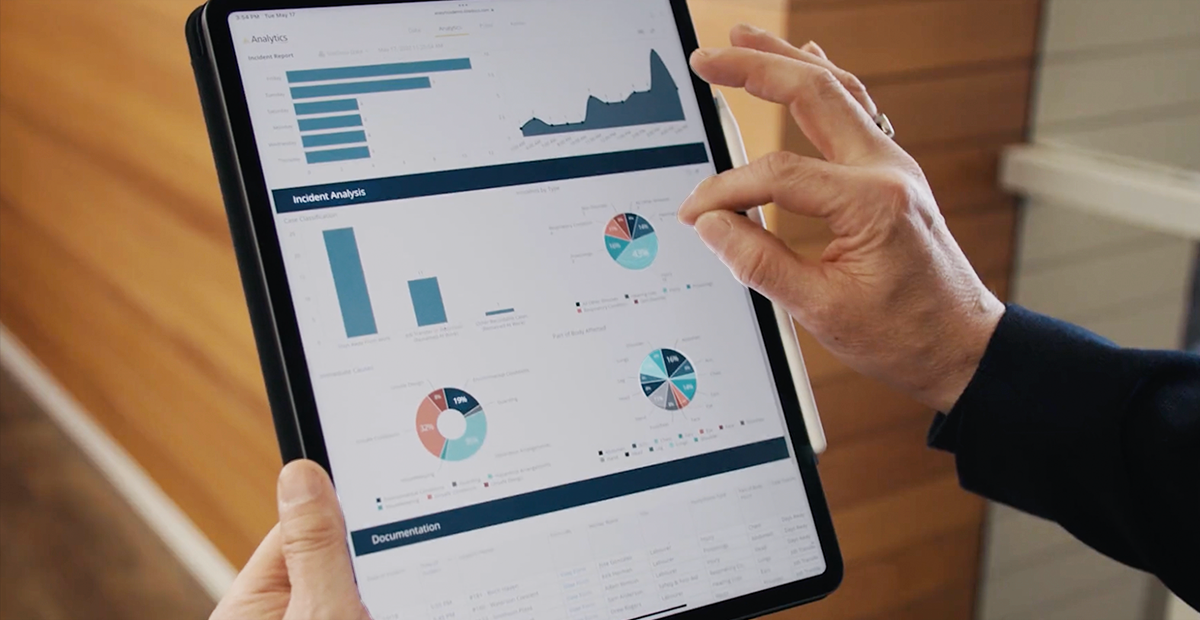
Experience and best practices are essential in safety management, but predictive analytics can offer a data-driven edge. This approach can help General Contractors and Primes anticipate and mitigate risks before they escalate into major incidents.
Why Predictive Analytics?
Definition and Brief Overview: Predictive analytics employs algorithms to analyze historical data, enabling forecasts of future risks.
The Shift from Reactive to Proactive Safety Measures: Traditional safety measures are reactive. Predictive analytics allows for a proactive approach, forecasting potential issues before they happen.
Cost-Efficiency in the Long Run: The initial investment in predictive analytics can lead to substantial long-term savings by reducing the frequency and severity of incidents.
The Components of Predictive Analytics
Data Collection
Types of Data: Incident reports, equipment failure rates, weather conditions, etc. Specialized safety software can automate this data collection.
Best Practices for Data Collection: Accuracy and timeliness are critical. Safety software often has features to validate data and ensure its integrity.
Safety Software as a Tool for Analytics
Ease of Use: SiteDocs comes with intuitive dashboards that make it easier to understand data.
Customizable Reports: SiteDocs allows you to create custom reports, focusing on the safety metrics most relevant to your project.
Real-time Alerts: SiteDocs can send immediate alerts based on the analyzed data, enabling quick corrective actions.
Actionable Insights
Understanding the Output: For instance, the data may indicate ladder-related incidents are more likely to occur when ladder use was not planned for or identified as a hazard on the FLRA/JSA/HA, further drilling into data discover most of those occur specifically between 2-4 pm on Fridays.
How to Implement Changes: Specialized safety software can also help here by automating the dispatch of safety reminders based on the data.
Hypothetical Scenarios
Scenario 1: A construction firm used safety software with predictive analytics to identify that 40% of their incidents occurred between 4 pm and 6 pm. A fatigue management program was implemented, reducing incidents by 20% in six months.
Scenario 2: Another company used safety software to find a correlation between the use of certain machinery and a higher rate of incidents. Changing the machinery led to a reduction in accidents.

Visibility is a key to prevention of injury. SiteDocs Analytics Dashboards give us the insights we need to prevent future injuries and better support with fresh training.
Michelle Orum, Project Manager, Cake Commercial Services, New Zealand
Conclusion
Embracing predictive analytics and specialized safety software can significantly enhance site safety measures. As construction projects grow increasingly complex, the ability to foresee and mitigate risks will become indispensable.
Read More
What Is MRO Management? Why Maintenance Matters for Safety
Learn how MRO management helps ensure jobsite safety, equipment reliability, and compliance. Prevent downtime and improve operational efficiency.

Management of Change: A Simple Safety Guide
Learn about the management of change (MOC) process and how to implement it effectively. Discover how safety management software can enhance MOC.

Verification of Competency: How to Ensure Worker Skills
Learn about verification of competency (VOC), its importance in the workplace, how to implement it effectively, and tools and future trends in VOC.