Does Your Company Need Safety Management Software?

In today’s industrial world, safety is key. Whether you’re a construction company or a manufacturing firm, the size of your organization doesn’t diminish the importance of safety. This is where Safety Management Software comes into play.
But does your company need one?
Let’s delve into the circumstances and benefits of using Safety Management Software to help you make an informed decision.
Understanding Your Safety Needs
Before deciding whether you need Safety Management Software, it’s crucial to understand your company’s specific needs. This involves a thorough assessment of your company’s operations, the nature of the work performed, and the potential safety risks involved.
Industry Type: The industry your company operates in can significantly influence your safety needs. For instance, a construction company might deal with high-risk tasks daily, such as working at heights or handling heavy machinery. On the other hand, a manufacturing firm might face risks related to the operation of production equipment or exposure to hazardous substances. Each industry comes with its unique set of safety challenges that a safety management software can help address.
Company Size: The size of your company also plays a significant role in determining your safety needs. Larger organizations tend to have more complex safety needs due to the sheer number of employees and the variety of tasks performed. A safety management software can help manage these complexities by providing a centralized platform for all safety-related activities.
Workforce Composition: The composition of your workforce is another factor to consider. Do you have a lot of young workers or new hires? They might require more safety training and supervision. Do you have employees working in different shifts or remote locations? A safety management software can ensure that safety procedures and training are consistent across all workers, regardless of when or where they work.
Regulatory Requirements: Depending on your location and industry, your company might be subject to specific safety regulations. Non-compliance can result in hefty fines and damage to your company’s reputation. A safety management software can help ensure compliance by keeping track of regulatory requirements and changes.
By understanding your company’s specific needs, you can make an informed decision about whether a safety management software is right for you.
Benefits of Safety Management Software
Safety management software offers numerous benefits that can significantly enhance your company’s safety culture and compliance. Here are some key advantages:
Streamlined Safety Procedures: Safety management software helps streamline safety procedures by automating routine tasks. This includes scheduling safety inspections, tracking safety training, and managing safety documentation. By automating these tasks, it reduces the risk of human error and ensures that no safety procedure is overlooked.
Regulatory Compliance: Safety management software is designed to help companies comply with safety regulations. It keeps track of regulatory requirements and changes, ensuring that your company is always up-to-date with the latest safety standards. Non-compliance can result in hefty fines and damage to your company’s reputation. Safety management software helps you avoid these risks by providing a systematic approach to managing safety compliance.
Centralized Safety Data: Safety management software provides a centralized platform for all safety-related data. This includes incident reports, safety inspections, safety training records, and more. Having all this data in one place makes it easier to track and analyze safety performance. It also facilitates communication and collaboration among employees, fostering a culture of safety within the organization.
Prevention of Workplace Accidents: By identifying trends and patterns in safety data, safety management software can help prevent workplace accidents. It allows you to proactively address safety risks before they result in accidents or injuries. This not only protects your employees but also saves your company the costs associated with workplace accidents.
Employee Engagement: Safety management software can also boost employee engagement in safety. It provides employees with the tools and information they need to take an active role in safety. This fosters a safety culture where every employee feels responsible for safety.
Want to learn more? Read our piece on “How to Use a Safety Management Software”.
Does your Company Need Safety Management Software?
The decision to invest in a safety management software is a significant one. It’s not merely about purchasing a software solution; it’s about committing to a culture of safety and continuous improvement within your organization.
The cost of safety management software is an important consideration. While it comes at a price, it’s essential to view this as an investment rather than a cost. The software can help prevent accidents, reduce downtime, and avoid potential fines from non-compliance, all of which can save your company money in the long run.
Implementation is another crucial factor. The time it will take to set up the software, input data, and train staff needs to be considered. However, many safety management software providers offer comprehensive support during this process, easing the transition.
Training is integral for the software to be effective. Your employees need to know how to use it properly. The resources you’ll need to provide adequate training should be considered.
The integration of the safety management software with your existing systems is another important aspect. Seamless integration can lead to more efficient processes and less disruption to your operations.
Customization is a beneficial feature. Every company is unique, so it’s advantageous if the safety management software can be customized to suit your specific needs. This could involve custom reports, adjustable safety protocols, or specific alert settings.
Finally, scalability is a key consideration. Your company will grow and change, and your safety management software should be able to adapt. Look for a solution that’s scalable and can grow with your company.
By carefully considering the above factors, you can choose a solution that not only meets your current needs but also supports your company’s growth and evolution in the future. Remember, the goal is not just to implement software, but to enhance safety and foster a culture of continuous improvement.
Our piece on what is the best Safety Management Software can guide you in making an informed decision.
Frequently Asked Questions
Safety management software is a digital platform that helps companies manage, monitor, and improve workplace safety. It centralizes all safety-related data such as incident reports, training records, and inspection results into one accessible system. The software automates safety processes, ensures compliance with regulations, and provides insights through data analytics so managers can identify risks before they lead to accidents.
Your company may need safety management software if you handle complex projects, operate in a high-risk industry, or struggle to track safety compliance manually. Businesses in construction, manufacturing, or energy often find it essential because of the number of employees, varied job tasks, and strict regulatory requirements. If safety documentation is scattered or incident reporting is delayed, using software can streamline operations and improve safety outcomes.
The main benefits of using safety management software include better regulatory compliance, improved efficiency, fewer workplace accidents, and stronger employee engagement. The software automates safety tasks like scheduling inspections and tracking certifications while storing all safety data in one place. It also gives managers real-time visibility into safety performance, allowing them to make proactive decisions that protect workers and reduce costs.
Construction safety software is a specialized form of safety management software designed for the construction industry. It helps site managers and safety officers conduct inspections, report incidents, and manage compliance across multiple job sites. Platforms like SiteDocs give teams real-time access to safety information, helping them identify hazards, communicate effectively, and maintain consistent safety standards.
Before investing in safety management software, evaluate your company’s size, industry risks, and current safety challenges. Look for a platform that can integrate with your existing systems, be customized to fit your processes, and grow as your business expands. Training and ongoing support are also important to ensure smooth implementation and long-term adoption. The right software should help you build a culture of continuous safety improvement.
Compared to other platforms, SiteDocs offers a more complete and practical safety management experience. It provides everything from real-time reporting and digital documentation to analytics and audit readiness. The software is designed specifically for construction, meaning it adapts easily to field conditions and jobsite workflows. Companies using SiteDocs often see measurable improvements in safety performance, reduced incidents, and higher efficiency across projects.
Read More
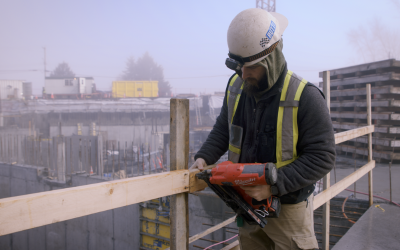
What Is MRO Management? Why Maintenance Matters for Safety
Learn how MRO management helps ensure jobsite safety, equipment reliability, and compliance. Prevent downtime and improve operational efficiency.

Management of Change: A Simple Safety Guide
Learn about the management of change (MOC) process and how to implement it effectively. Discover how safety management software can enhance MOC.

Verification of Competency: How to Ensure Worker Skills
Learn about verification of competency (VOC), its importance in the workplace, how to implement it effectively, and tools and future trends in VOC.