
Identifying Hazards Before They Cause Accidents
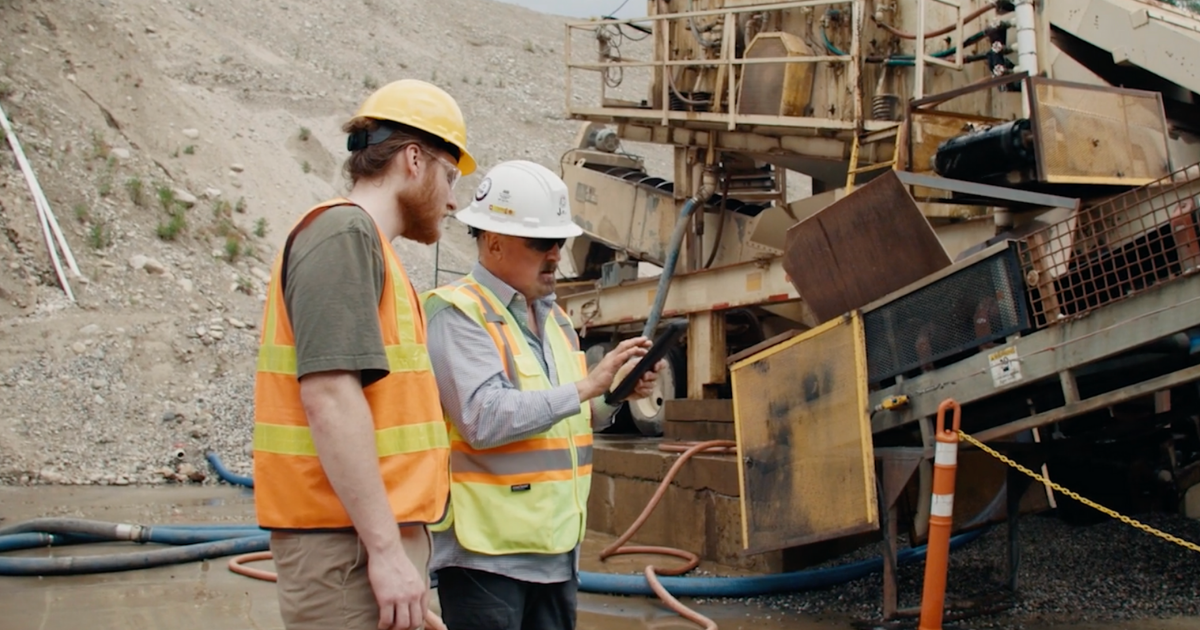
Workplace accidents rarely happen without warning signs. In most cases, dangers are present long before an incident occurs—they simply go unnoticed or unaddressed. That’s why hazard identification is one of the most important steps in building a safer workplace.
By spotting risks early and taking action, companies not only prevent injuries but also improve compliance, reduce downtime, and strengthen safety culture. Effective hazard identification supports broader occupational health and safety goals by reducing the potential for accidents, exposures, and adverse health effects linked to harmful substances, unsafe equipment, and hazardous work practices.
Why Hazard Identification Matters
Hazard identification is the process of pinpointing potential health and safety risks before they cause accidents. This could mean spotting a loose electrical cord, recognizing unsafe equipment operation, identifying dangerous substances, or noticing unusual noises or vibrations.
When workplace risks go unnoticed, they increase the chance of injury, illness, or costly downtime. A strong hazard identification process protects workers from preventable injuries, supports compliance with OSHA and other occupational health and safety standards, and reduces the risk of legal or financial consequences for employers.
Identifying workplace dangers means being proactive, not reactive—in short, it involves looking for risks before they turn into incidents.
Practical Steps for Identifying Hazards
Although every work environment is different, proven steps that make hazard identification more effective include:
- Regular safety inspections, such as walking the jobsite to spot unsafe conditions, potential risks, or unsafe practices before they escalate
- Worker participation, like encouraging employees and contractors to report near misses and safety risks in real time
- Reviewing incident reports by using past data and analysis to evaluate what went wrong and how to prevent it from happening again
- Assessing work processes by looking closely at daily tasks, equipment use, and materials to identify potential risks, including exposure to harmful substances
When these steps are built into daily operations, they become part of workplace safety culture—not just a compliance exercise.
Using Hazard Identification Systems
Many companies use industrial hazard identification systems as part of their broader risk management process. These systems provide structure and consistency for recording, evaluating, and controlling workplace dangers to ensure that nothing slips through the cracks.
With digital systems like SiteDocs®, hazard reporting becomes faster and more effective. Workers can:
- Record safety risks in the field with photos, voice notes, and digital forms.
- Instantly share safety data with supervisors and health and safety teams.
- Track corrective actions and risk control measures.
- Analyze trends with real-time dashboards and reporting.
This approach not only streamlines reporting but also improves visibility across the entire organization, helping managers respond quickly and allocate protective equipment (PPE) where needed.
Identifying Hazards and Assessing Risk
Identification is only the first step. The next step is risk assessment, which means evaluating the likelihood and severity of each hazard. This is where risk management comes into play.
For example, a tripping threat may present a low-level risk, while exposure to harmful substances could lead to serious adverse health effects. Similarly, toxic chemicals may call for specific handling procedures, while physical dangers could require the use of PPE.
By assessing risks accurately, organizations can prioritize corrective actions—whether these take the form of engineering controls, better protective equipment, or process changes—to ensure the most serious threats to worker safety are addressed first.
Turning Hazard Identification into Action
Hazards will always exist in the work environment, but accidents don’t have to. By making hazard analysis part of everyday safety routines—and pairing them with strong risk management and risk control practices—companies can reduce risks before they cause harm.
Digital tools like SiteDocs make this easier with streamlined reporting, automated follow-ups, and real-time insights that ensure dangers are not only identified but also corrected. This helps create safer, healthier workplaces while reducing delays, liability, and long-term costs.
Request a demo today and see how SiteDocs can make hazard identification your advantage in workplace safety.
Read More
What Is MRO Management? Why Maintenance Matters for Safety
Learn how MRO management helps ensure jobsite safety, equipment reliability, and compliance. Prevent downtime and improve operational efficiency.
Management of Change: A Simple Safety Guide
Learn about the management of change (MOC) process and how to implement it effectively. Discover how safety management software can enhance MOC.
Verification of Competency: How to Ensure Worker Skills
Learn about verification of competency (VOC), its importance in the workplace, how to implement it effectively, and tools and future trends in VOC.