OSHA Violations in High-Risk Industries: What to Do?
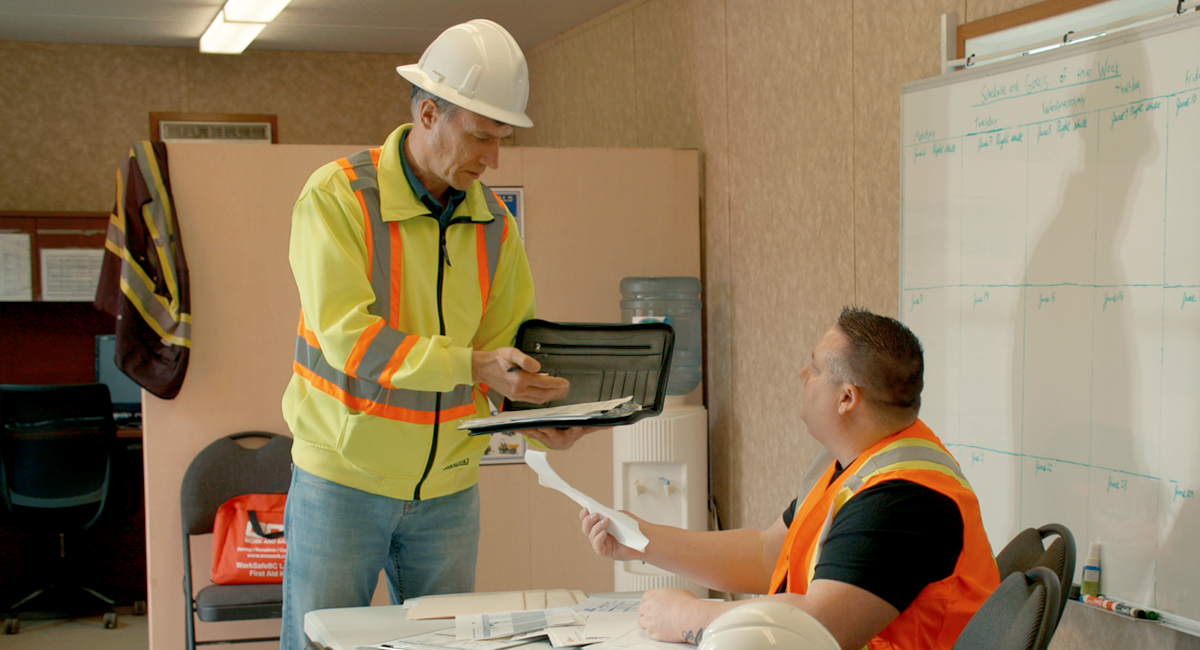
Understanding how to handle OSHA violations is crucial for safety officers and professionals in high-risk industries like construction.
When an OSHA violation occurs, it can be daunting for safety officers, construction companies, and businesses in high-risk industries. But by understanding what steps to take and how to prevent future violations, you can ensure a safer work environment.
Understanding OSHA Violations
To effectively manage OSHA violations, it’s essential first to understand what they are and why they matter. OSHA, or the Occupational Safety and Health Administration, is a federal agency dedicated to ensuring safe and healthy working conditions. Violations occur when a company fails to comply with OSHA’s standards, resulting in potential harm to workers.
What Constitutes an OSHA Violation?
An OSHA violation happens when a workplace condition does not meet the agency’s safety and health requirements. These violations can range from minor infractions to severe breaches that put employees’ lives at risk.
Why OSHA Violations Matter
OSHA violations are significant not only because of the potential fines but also due to the impact on worker safety. Failing to address violations can lead to accidents, injuries, or even fatalities, which can tarnish a company’s reputation and result in legal consequences.
Categories of OSHA Violations
OSHA classifies violations into several categories, each with distinct implications. Understanding these categories can help you assess the severity of a violation and respond appropriately.
Want to learn more? Read our comprehensive guide on OSHA, what it is and what it does.
Common Types of OSHA Violations
Knowing the common types of OSHA violations can help you identify potential issues in your workplace and take corrective action before they become significant problems.
Serious Violations
A serious violation occurs when there is a substantial probability that death or serious physical harm could result from a hazard about which the employer knew, or should have known. These are the most critical violations and often come with the highest penalties.
Other-Than-Serious Violations
These violations relate to workplace safety and health but are unlikely to cause death or serious physical harm. While less severe, they still require prompt attention to prevent escalation.
Willful Violations
A willful violation is one where the employer knowingly fails to comply with a legal requirement or acts with plain indifference to employee safety. These violations carry the most severe penalties, including potential criminal charges.
Steps to Take After an OSHA Violation
If your company receives an OSHA violation, prompt and effective action is crucial. Here’s a step-by-step guide to help you manage the situation.
Assessing the Violation Notice
The first step is to thoroughly review the violation notice. Understand the specific issues cited, the category of the violation, and the required corrective actions.
Immediate Corrective Actions
Take immediate steps to correct the cited hazards. This might involve repairing machinery, providing additional safety training, or implementing new safety protocols.
Preparing for an OSHA Follow-Up
OSHA will likely conduct a follow-up inspection to ensure that the violations have been addressed. Prepare for this inspection by maintaining clear records of the corrective actions taken and ensuring ongoing compliance with safety standards.
Seeking Legal Advice
In certain circumstances, seeking legal advice can be an invaluable step when dealing with OSHA violations. Legal professionals who are well-versed in occupational safety and health regulations can provide crucial guidance in navigating the complexities of OSHA compliance. They can assist in interpreting violation notices, advising on appropriate corrective measures, and representing the company in legal procedures if needed.
Preventive Measures to Avoid OSHA Violations
The best way to handle OSHA violations is to prevent them from happening in the first place. Implementing a robust safety program can significantly reduce the risk of violations.
Regular Safety Audits
Conduct regular safety audits to identify and address potential hazards before they result in a violation. These audits should be thorough and involve input from employees at all levels.
Employee Training
Invest in comprehensive safety training for all employees. This includes not only initial training but also ongoing education to keep everyone updated on the latest safety protocols and standards.
Creating a Safety Culture
Foster a culture of safety within your organization. Encourage employees to report hazards and suggest improvements, and make safety a core value of your company.
Utilizing Safety Technology
Leverage technology to enhance workplace safety. This can include using safety management software to track compliance, wearable technology to monitor employee health, and automated systems to identify hazards in real-time.
Engaging Employees in Safety Initiatives
Involve employees in safety planning and decision-making processes. When workers feel invested in their own safety, they are more likely to adhere to safety protocols and contribute to a safer work environment.
Want to learn more? Read our in-depth guide on how to stay OSHA compliant.
Navigating an OSHA violation can be challenging, but with the right knowledge and strategies, you can effectively manage and prevent them.
By understanding the types of violations, taking prompt corrective actions, and implementing proactive safety measures, you can create a safer workplace for everyone.
Read More
What Is MRO Management? Why Maintenance Matters for Safety
Learn how MRO management helps ensure jobsite safety, equipment reliability, and compliance. Prevent downtime and improve operational efficiency.

Management of Change: A Simple Safety Guide
Learn about the management of change (MOC) process and how to implement it effectively. Discover how safety management software can enhance MOC.

Verification of Competency: How to Ensure Worker Skills
Learn about verification of competency (VOC), its importance in the workplace, how to implement it effectively, and tools and future trends in VOC.